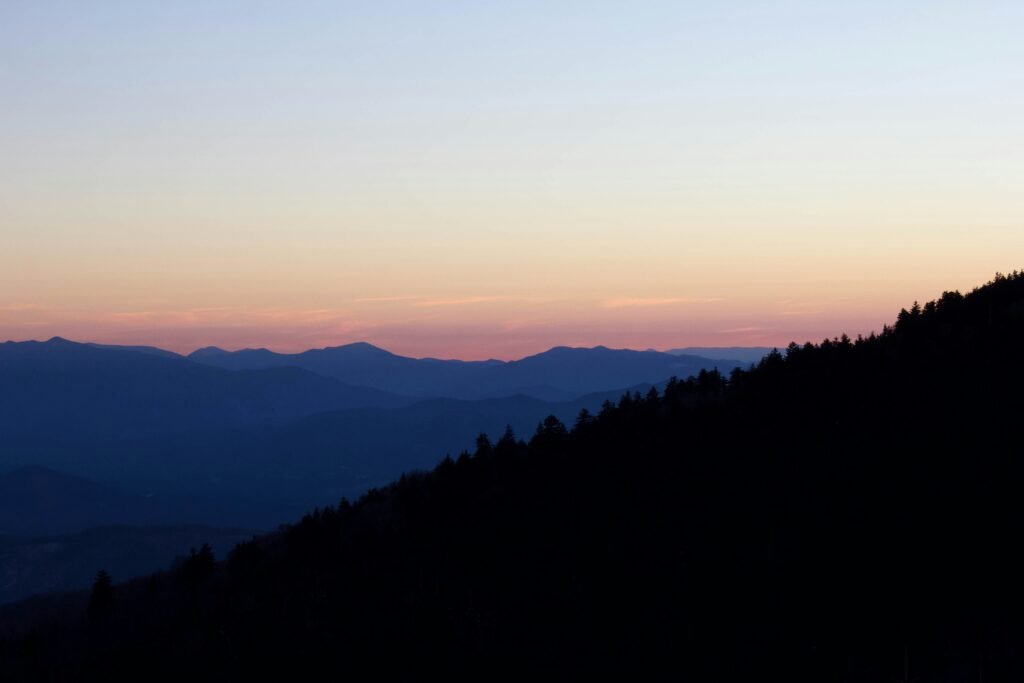
What the Cumberland Plateau Actually Is
Most people drive right past the Cumberland Plateau without knowing it. They’re on I-24 headed to Chattanooga or cutting across to Nashville, and the plateau just sort of happens around them. The road climbs, the trees get taller and closer, and then they’re through it and back down the other side. That’s a shame, because there’s a whole corner of Tennessee up here that rewards the people who actually stop.
This is the guide for stopping.
The plateau sits between Nashville and Chattanooga, running roughly north to south through the middle of the state. It’s not a mountain range in the traditional sense. It’s more like a broad, elevated tableland, widely considered the largest timbered plateau in America, with edges that drop sharply into the valleys on either side. That geography is what creates all the waterfalls. Water runs toward the plateau’s rim and goes over it, and on the Grundy County side, there are a lot of rims.
Elevation here runs around 1,800 to 2,000 feet. Summers are noticeably cooler than the valley floor. Fall color comes earlier. The trail network connecting all of it is genuinely exceptional.
What to Do
Hike to a waterfall. Grundy County has more waterfalls per square mile than most people realize. Greeter Falls is probably the most accessible: a two-tier drop with a 50-foot lower plunge into a pool you can actually swim in during warmer months. The trailhead is straightforward, the hike is under two miles round trip, and the payoff is substantial. Foster Falls, about 25 minutes south, has a single dramatic 60-foot drop that draws rock climbers along with hikers.
Spend a day in the South Cumberland Plateau parks. This one takes more planning but it’s worth it. The region’s state parks cover roughly 35,000 acres of wilderness, with Savage Gulf State Park the largest. The Great Stone Door, near Beersheba Springs in Savage Gulf, is a 150-foot crevice in the plateau’s edge that you can walk down through to access the gorge below. Trails range from easy day hikes to multi-day backcountry routes. Cell service is limited inside the gorge, so download the map before you go.
Catch a show at The Caverns. Honestly, this deserves its own post. The Caverns in Pelham is a naturally-occurring subterranean amphitheater, a real cave that holds up to 1,200 people for concerts. The acoustics are unlike anything in a built venue. The cave stays 59 degrees year-round regardless of what’s happening outside, and the show calendar runs from bluegrass to rock to classical to electronic. If there’s a show on during your visit, go. There’s a reason people drive from several states away for a single night here.
Drive the back roads. The ridge roads between Coalmont, Gruetli-Laager, and Beersheba Springs pass through some of the most underappreciated scenery in Tennessee. No specific agenda needed. The views open up at the rim overlooks, and you’ll find yourself pulling over more than once.
When to Come
The short answer is any time. Each season on the plateau has something going for it, and the property is open year-round. Our FAQ breaks down the best time to visit season by season.
Spring brings wildflowers and waterfalls running full from the winter rains. April and May are some of the best hiking months on the plateau: good temperatures, good trail conditions, and the falls at their most dramatic.
Summer is more comfortable up here than most people expect. The plateau sits around 1,800 to 2,000 feet, which keeps temperatures noticeably cooler than the cities below. The cabins and dome have full HVAC, and the tent and cabin units sit in shade for most of the day, which makes a real difference on a July afternoon. It’s also peak season at The Caverns, with shows most weekends through the summer.
Fall brings the color. Peak foliage on the plateau typically runs a week or two ahead of the valley floor, which means you can catch it here and then watch it move down the mountain over the following weeks. October is particularly good.
Winter gets overlooked, and that’s a mistake. The trails empty out almost entirely. The cave at The Caverns stays 59 degrees year-round regardless of what’s happening outside, so winter shows have a particularly cozy feel to them. The cabins and dome stay warm and comfortable with HVAC, and the creek has a different character in the cold months.
Where to Stay
Hotels in this area are sparse, and most are down in the valley rather than up on the plateau. Staying on the plateau itself makes a real difference, both for access and for the experience. If you want the full picture of South Cumberland getaways and how to plan a weekend up here, we pulled it together in one guide.
The Getaway on Ranger Creek is in Coalmont, Tennessee, right on the plateau. Units range from a geodesic glamping dome to Scandinavian-style cabins, on a wooded property bordered by two creeks. It’s about 30 minutes from The Caverns in Pelham, an hour from Chattanooga, and an hour from Fall Creek Falls. If you’re trying to use a weekend well in this part of Tennessee, it covers a lot of ground.
Check availability and book directly at thegetawayon.com.